


Wood To Water Outdoors
3F UL Gear Taiji 1 - 4 Season Khaki Tent
3F UL Gear Taiji 1 - 4 Season Khaki Tent
Couldn't load pickup availability
3F UL Gear Taiji 1 – 4 Season Khaki Tent
The Taiji 1 is a 4-season freestanding tent designed for solo expeditions and demanding terrains. It delivers a roomy interior, quick setup, and a versatile shelter that adapts to alpine, desert, and wet environments. 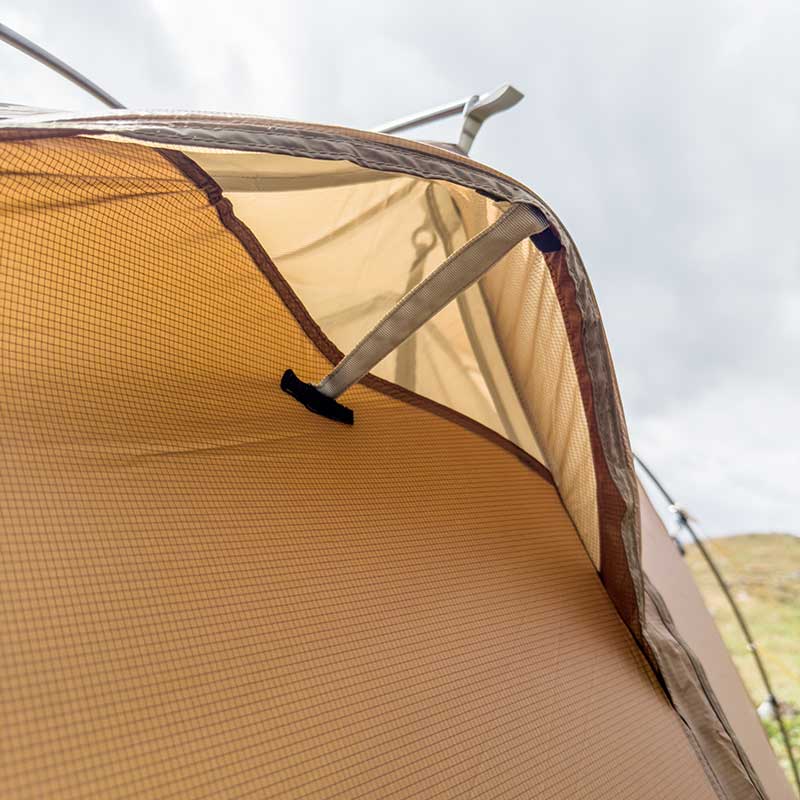
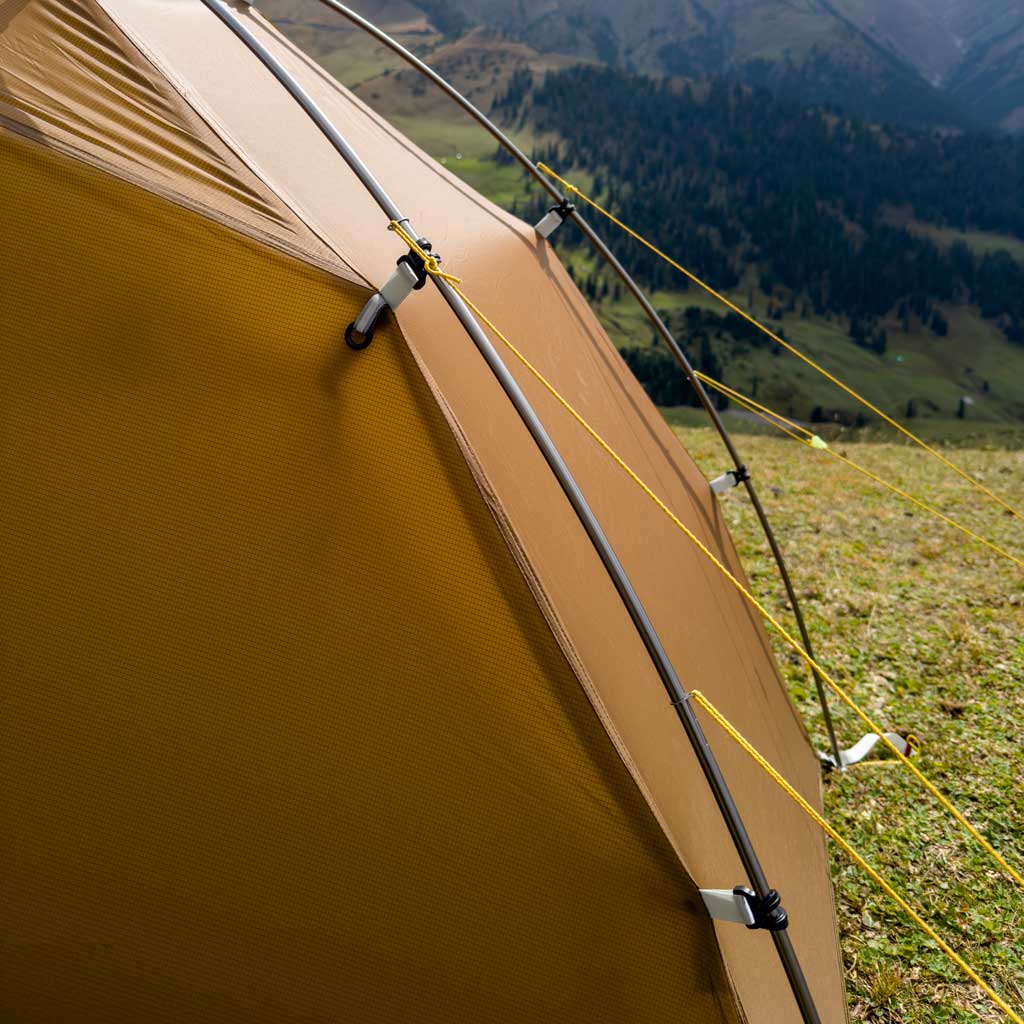
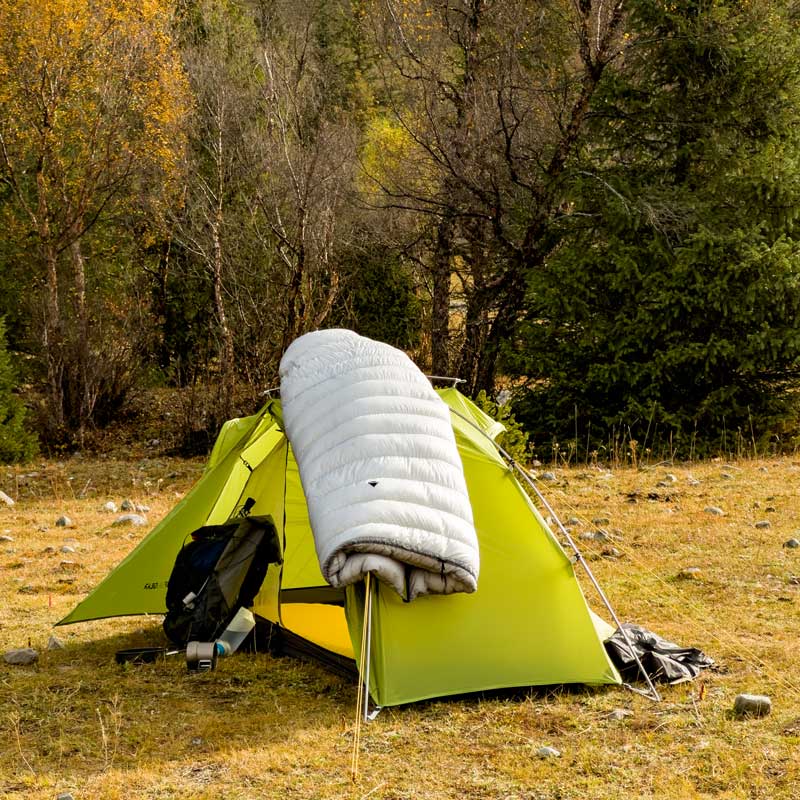
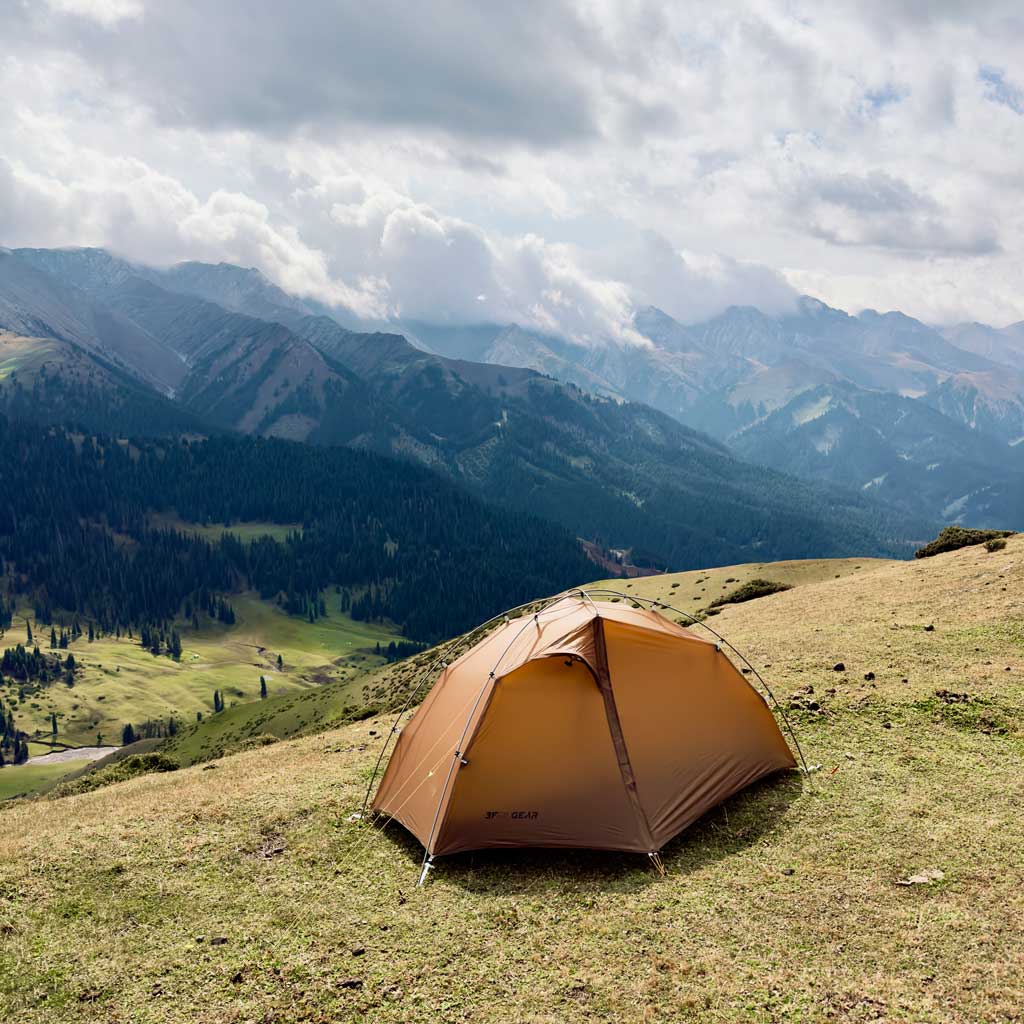
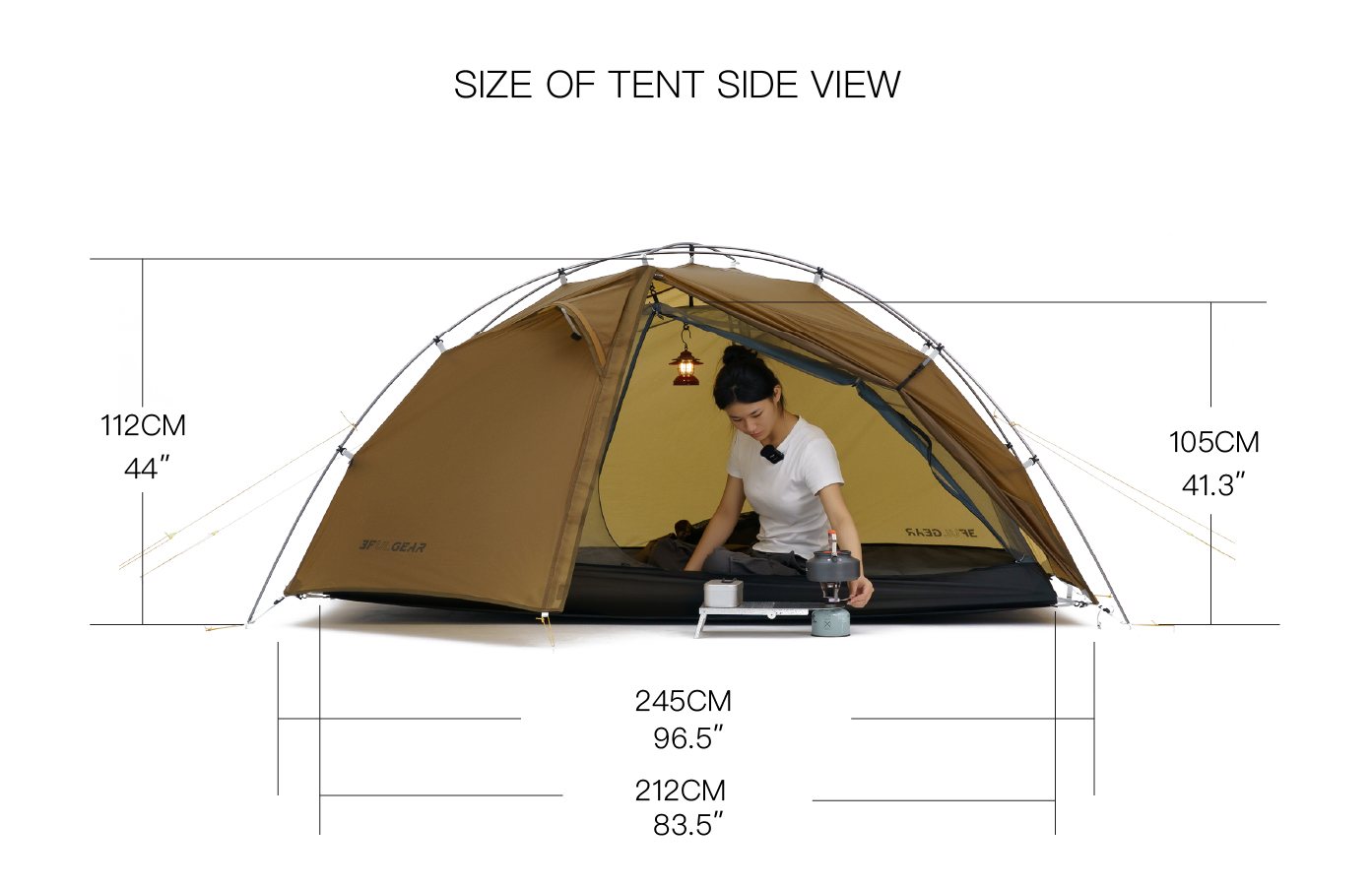
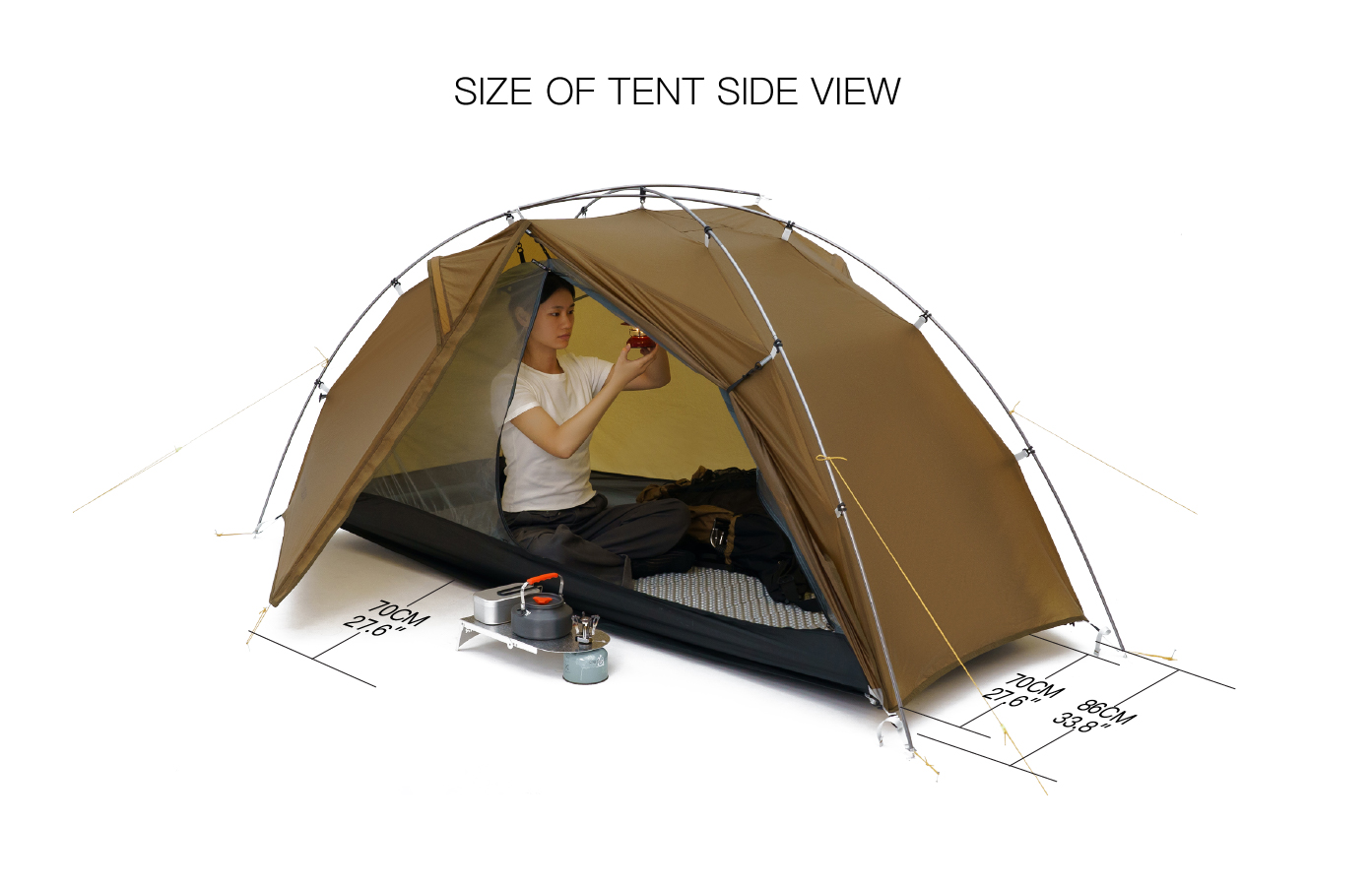
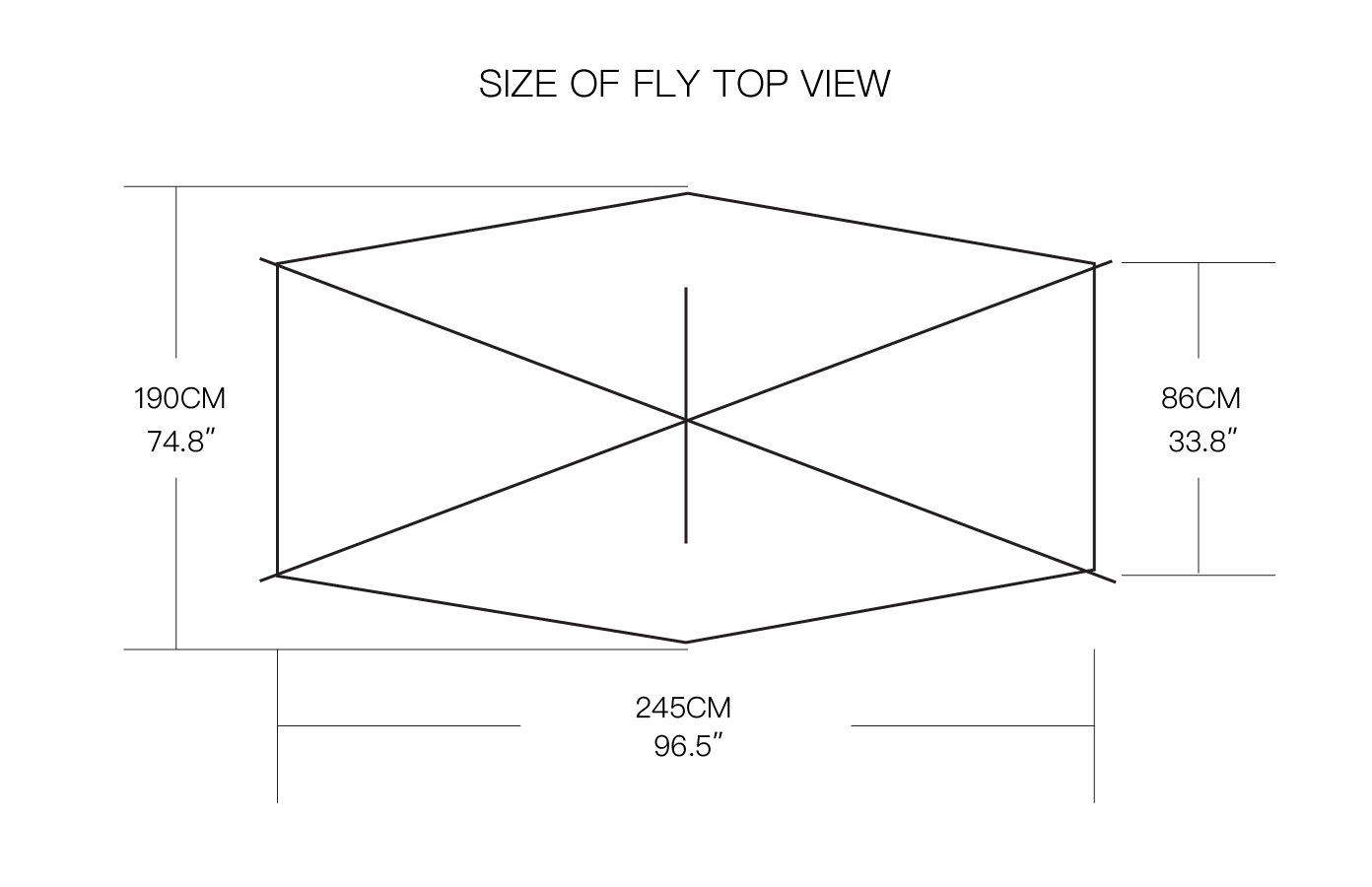
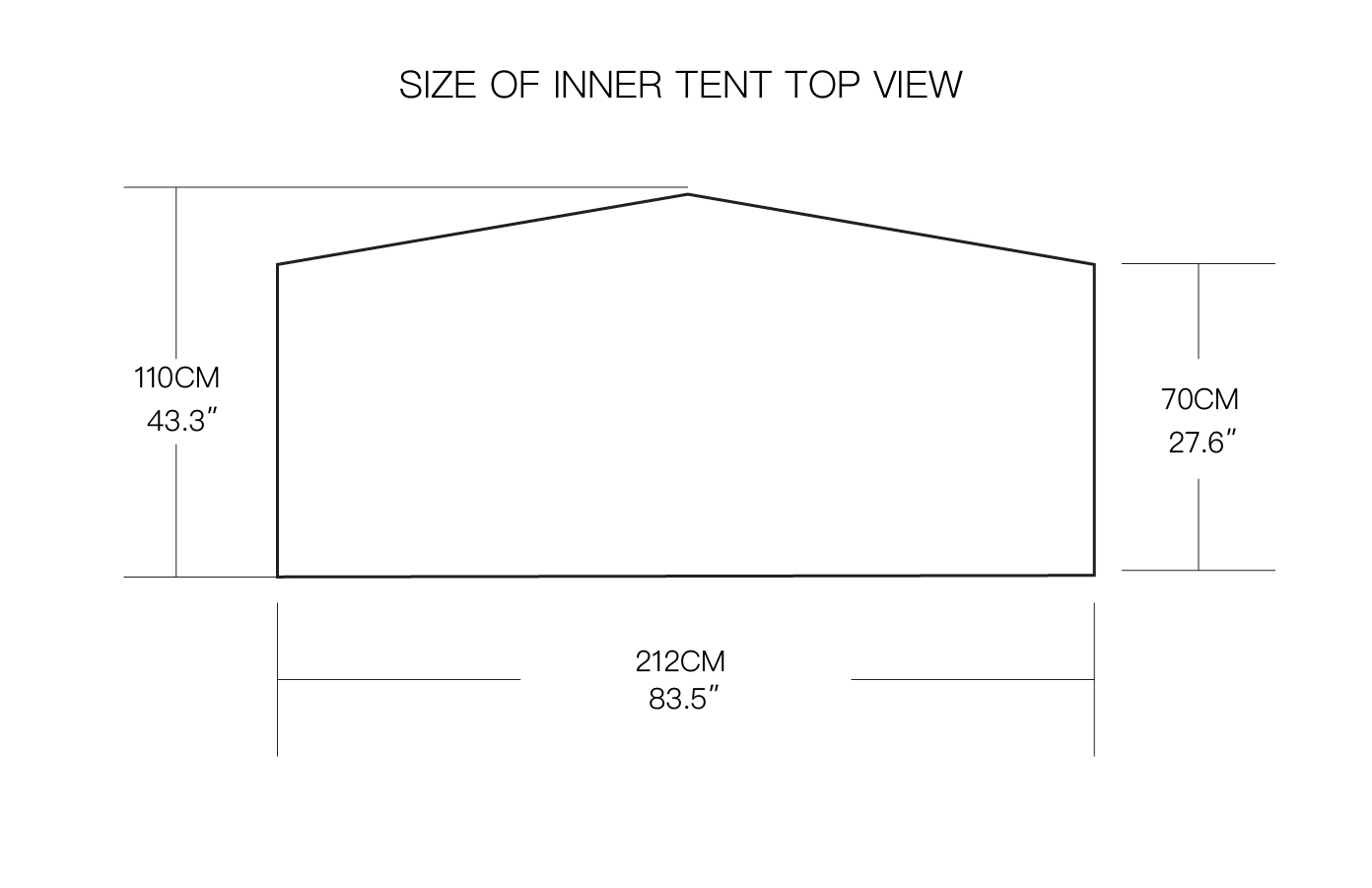
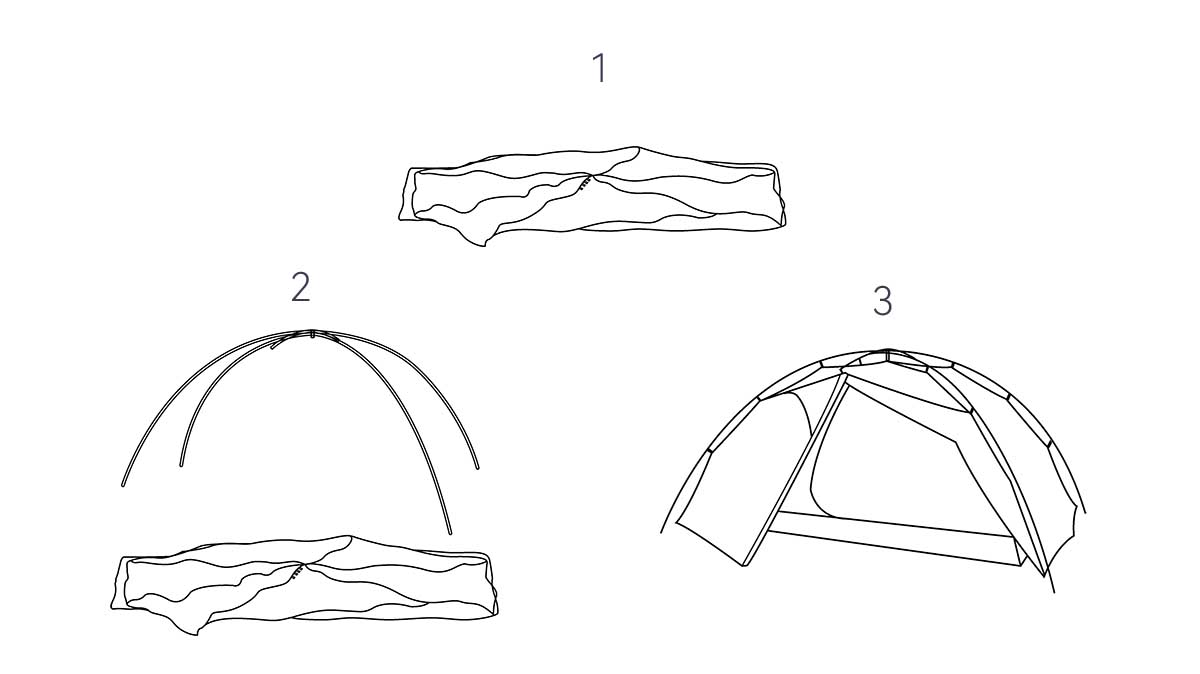
- 3-cross poles dome structure: delivers robust snow-load handling and wind resistance for alpine and exposed campsites.
- Fully freestanding: pitch anywhere with a solid surface; no stakes required for the initial setup.
- Quick, modular setup: inner and outer tents connect for fast pitching, with the option to detach for separate use.
- Seasonal adaptability: inner can be swapped to a full-season configuration, extending usability into harsher winter conditions.
- Eight guylines with clip-ready points: enhances stability in high winds; clips sold separately to customize tie-downs.
- Waterproof performance: 5000 mm waterproof rating with taped seams on a two-layer wall for reliable dry shelter.
- Smart construction materials: 15D silicone/PU ripstop fly; 15D solid nylon inner (4-season) with 20D mesh (3-season); silicone exterior, PU interior.
- Lightweight and compact: 1453 g for the tent and poles; total kit weight 1870 g with stakes, footprint, and guylines; packed size 45 cm x 14 cm.
- Ventilation improvements: redesigned vents with a non-absorbent mesh-to-rainfly connection and multi-layer waterproof tape to reduce leakage.
- What’s included: Fly, inner tent, 12 stakes, footprint, 4 x 2 mm guylines, repair kit (plus quick-setup packing list).
The Taiji 1 helps solo campers stay dry, comfortable, and protected in diverse conditions. Its featherweight build, modular inner system, and enhanced wind resistance make it a reliable year-round shelter for ultralight backpackers, mountaineers, and minimalist campers who push into remote terrains. With a compact packed footprint and easy setup, you can focus on the hike rather than the shelter, while still planning for winter use when conditions demand a sturdier cabin in the wild.

